

Choosing the right wall color to pair with grey can transform a space and elevate your home’s aesthetic. Did you know that grey has become one of the most versatile and popular neutrals in interior design? This means it pairs beautifully with a range of colors, from warm taupes to vibrant accents. If you’re looking to create a harmonious environment, understanding these combinations can empower you to express your style effectively while enhancing the mood of your rooms. Whether you crave a calming retreat with soft pastels or a bold statement with deeper tones, the right pairings can make all the difference. Dive in to discover the perfect wall colors that will complement your grey and create a stunning backdrop for your lifestyle.
Choosing the Right Grey: Understanding Undertones

Choosing the right shade of grey for your walls can significantly enhance the ambiance of a room, turning a simple space into a compelling statement. The beauty of grey lies not just in its neutrality but in the intricate undertones that breathe life into each variant. Some greys are imbued with warm undertones, reminiscent of cozy evenings, while others boast cooler hints that evoke a crisp sophistication. Understanding these subtleties empowers you to create a harmonious color palette that complements your décor and personal style.
To identify the perfect grey for your space, start by analyzing the lighting and surrounding elements. For instance, if your room receives a lot of natural light, a cool grey can maintain a fresh feel without becoming too stark. Conversely, in dimmer areas, a warmer grey can offer a welcoming glow that brightens the space. Consider testing several shades on your walls; this simple step reveals how each interacts with your existing furnishings and paint as daylight shifts throughout the day.
When selecting greys, don’t forget to consider the color wheel. Pairing greys with complementary shades enhances depth and character. For instance, a soft taupe or warm beige can create a charming contrast against a cool grey, while a deep navy or rich charcoal can add dramatic flair. Additionally, you might explore accent colors that pop against your chosen grey-think vibrant yellows or lively pinks-to inject personality and energy into the space.
Key Considerations for Choosing Grey:
- Assess natural light: The way light interacts with your grey can change throughout the day.
- Understand undertones: Identify whether a shade is warm (with hints of brown or yellow) or cool (leaning towards blue or green).
- Experiment with samples: Test paint swatches on walls to see how they play with your home’s lighting.
- Contrast and complement: Pair greys with colors that elevate the overall aesthetic.
By approaching the selection process with an understanding of these nuances, you not only find the right grey but also cultivate a space that resonates with your unique style.
Popular Wall Color Pairings with Grey
Choosing the perfect wall colors to complement grey can transform your space, bringing harmony and style to your overall design. Since grey is a versatile neutral, it pairs well with a plethora of colors, allowing for both subtle contrasts and dramatic statements. For those looking to create a balanced and aesthetically pleasing environment, popular choices include warm neutrals, bold hues, and light pastels.
Warm shades such as cream, beige, or soft taupe can add warmth to a grey backdrop, creating an inviting and cozy atmosphere. These colors help to soften the starkness that sometimes comes with grey, making them perfect for living spaces or bedrooms where comfort is key. Pairing a warm beige with a cool grey can add depth and character while maintaining a sophisticated look.
For a more contemporary vibe, consider pairing grey with deep jewel tones like navy blue, emerald green, or rich burgundy. These colors not only stand out beautifully against grey but also exude elegance and modern flair. A navy accent wall in a room painted in light grey creates a striking focal point, enhancing the depth of the space. To maximize this visually dynamic pairing, incorporate metallic accents, such as gold or brass, to add further sophistication.
Don’t overlook lighter, airy shades like soft blush, pale lavender, or mint green. These pastels can create a fresh and serene ambiance when paired with grey, ideal for spaces that aim for tranquility and lightness. A soft blush can lend a delicate touch to a grey room, making it feel more inviting and bright. Additionally, accessories in these lighter shades can serve as playful accents without overwhelming the overall design.
Ultimately, the key to successful wall color pairings with grey is to test colors against your chosen shade, paying attention to how they interact with natural light and existing decor. Remember that balancing contrasting colors can enhance your space’s appeal, giving it personality while still resonating with the calming essence of grey. Whether opting for warm neutrals, bold jewel tones, or soft pastels, the right combination can make your walls a canvas for creativity and expression.
Warm vs. Cool Tones: Finding Balance with Grey

Embracing grey as a primary wall color can open up a realm of design possibilities, but achieving the right balance between warm and cool tones is essential for creating a harmonious environment. Grey, with its inherent versatility, can embody both warmth and coolness depending on the undertones present. Whether you opt for a soft dove grey or a deep charcoal, understanding how to pair it with either warm or cool colors can dramatically influence the mood of your space.
Warm tones such as soft beige, creamy whites, and rich taupes can infuse a room with a sense of coziness when paired with grey. These colors soften the starkness that pure grey might project, creating an inviting atmosphere that feels welcoming. For example, a light grey wall can beautifully complement a warm taupe sofa, creating a balanced aesthetic that feels both comfortable and stylish. When accessorized with warm textiles-think golden throw pillows or honey-hued wooden furniture-the space comes alive with warmth.
In contrast, cool tones like icy blues, crisp whites, or deep greens bring a modern and sophisticated edge to grey. Such combinations can evoke feelings of calmness and tranquility, making them wonderful choices for areas like bedrooms or home offices. Imagine a cool grey backdrop adorned with navy blue accents; this pairing not only creates visual interest but also enhances the room’s elegance. Consider adding metallic elements, such as chrome or silver decor, to further accentuate the sleekness of the cool color scheme.
When selecting your color combinations, think about the atmosphere you wish to create and how natural light flows into your space. Testing paint samples on your walls is crucial, as the interaction between light and your chosen colors can lead to unexpected results. Ultimately, balancing warm and cool tones allows for a dynamic play of color that validates personal style while ensuring that your home remains a true reflection of comfort and sophistication. The right mix of these tones can turn grey walls into a timeless backdrop for artistic expression, inviting nature and modernity into a cohesive design vision.
Top Neutral Colors to Complement Grey Walls
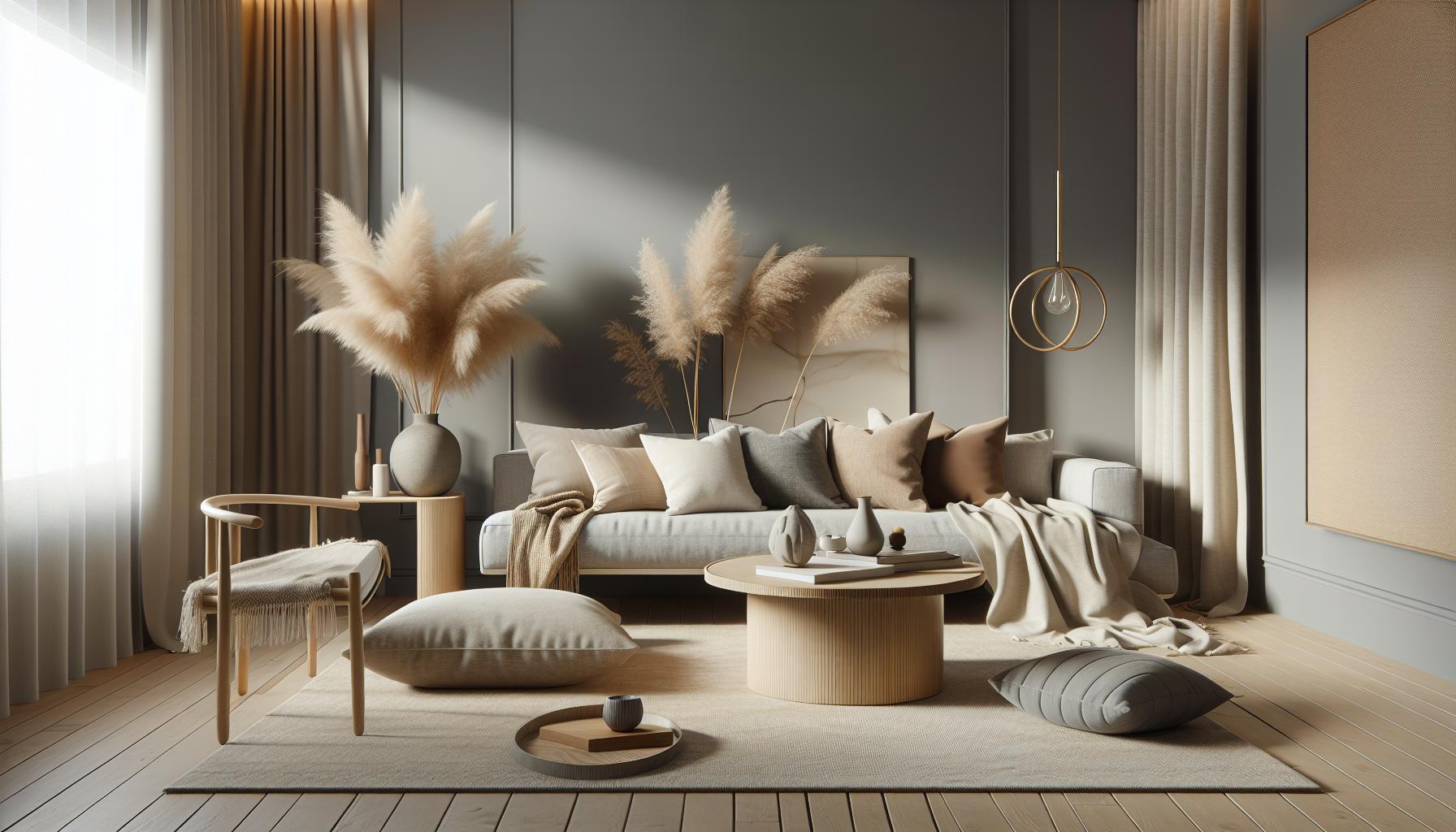
Opting for grey walls can serve as a distinguished backdrop that elevates your overall interior design. This versatile color, with its myriad undertones ranging from cool to warm, pairs beautifully with a broad spectrum of neutral colors. Selecting the right neutrals to complement your grey can not only enhance the aesthetic appeal of a room but also reinforce a cohesive design narrative.
When considering neutrals that harmonize with grey, think about tones that can either contrast with or enhance its subtle sophistication. Soft whites, for example, bring a sense of brightness and clarity to a grey space, creating a clean and airy atmosphere. Using a crisp white trim or a creamy white sofa can infuse lightness, making the room feel more open and inviting.
Another compelling choice is taupe. This warm, earthy tone pairs wonderfully with cooler shades of grey, providing a perfect balance without overwhelming the senses. Imagine a soft grey wall adorned with taupe-hued décor-this combination creates a grounding effect that invites warmth and vitality into the space. It’s also an excellent choice for furnishings, as taupe upholstery can create a seamless transition from wall to furniture.
Additionally, beige is a timeless neutral that complements grey beautifully. When beige is used alongside grey, it creates a sophisticated and understated elegance that appeals to a sense of comfort. Incorporate beige accessories-like cushions or curtains-to add depth and texture to your design. This pairing not only softens the overall look but also introduces a cozy feel, making your space inviting and livable.
For those who prefer a more modern twist, consider charcoal. This darker shade can create striking contrasts against lighter grey walls, adding drama and dimension. Use charcoal accents in furniture or décor to create depth while still maintaining a cohesive look. This combination is particularly effective in creating sophisticated and contemporary spaces.
Ultimately, choosing the right neutrals to complement your grey walls will enhance the visual impact of your design while reflecting your personal style. Whether you opt for soft whites, taupe accents, warm beige, or dramatic charcoal, each of these colors can create a harmonious atmosphere that is both stylish and inviting.
Accent Colors That Pop Against Grey Backgrounds
Adding accent colors to grey walls can transform a space from serene to sensational, highlighting your personal style and breathing new life into your interiors. Grey serves as a versatile backdrop that allows brighter hues to shine, making it an ideal canvas for experimenting with pops of color. When considering ways to invigorate your environment, focus on the vibrancy of accent colors that contrast beautifully with grey, creating visual interest and emotional resonance.
Bold and Bright Choices
One of the most exhilarating ways to uplift a grey scheme is to introduce bold accent colors. Fiery orange or electric yellow can create a striking contrast against cool grey tones, energizing any room. These colors can manifest through artwork, decorative pillows, or even a statement piece of furniture. For a dramatic flair, think about a bright orange armchair against mellow grey walls-it not only draws the eye but can also become a conversation starter.
Calm and Cool Contrasts
If you prefer a more subdued aesthetic, consider incorporating navy blue or emerald green. These colors create a sophisticated yet tranquil atmosphere, perfectly complementing lighter shades of grey. Use navy blue for drapes or as part of your upholstery fabrics. Lush greenery, whether through indoor plants or targeted decor, can also enhance the sense of calm while bringing freshness into the space.
Subtle Sophistication with Pastels
Soft pastels, such as blush pink or powder blue, can infuse a gentle warmth into a grey backdrop, making spaces feel inviting and cozy. These softer shades work especially well in bedrooms or living areas, where a comforting ambiance is desired. Consider blush pink throw blankets or decorative accents that soften the overall look while maintaining an air of elegance.
Textural Elements
When selecting accent colors, consider not just the hue but also the textures that can enhance the overall effect. Pairing glossy finishes with matte greys creates a striking visual contrast that elevates the design. Think about using sleek metallics or textured textiles such as velvet or faux fur in your accent colors to add depth and dimension to your decor.
Integrating these vibrant accents with your grey walls not only personalizes your space but also reflects your unique style as you navigate through the spectrum of color and texture. Embrace the opportunity to express yourself, whether through a singular bold piece or a careful arrangement of shades that resonate with you.
Textures and Finishes: Enhancing Grey Walls
The interplay of textures and finishes can elevate grey walls, transforming them from a mere backdrop to a dynamic element of your interior design. Grey is inherently versatile, providing an ideal foundation for a rich tapestry of textures that can bring warmth and depth to any space. By integrating various materials and finishes, you can create a visually engaging environment that resonates with your personal style and enhances the overall aesthetic of the room.
One approach is to embrace a mix of matte and glossy finishes. Matte paints offer a sophisticated, understated elegance, while glossy surfaces can create a striking visual contrast and accentuate the grey tones. For instance, incorporating glossy metallic decor-such as gold or silver picture frames-against matte grey walls not only adds sophistication but also reflects light, making the space feel more open and inviting. Consider using a glossy, decorative vase or a sleek lamp to punctuate the grey background, introducing layers of style that catch the eye.
Textiles also play a critical role in enhancing the appeal of grey walls. Layering different fabrics can introduce tactile interest. Imagine complementing soft grey walls with plush velvet cushions or a chunky knit throw; the combination of textures invites touch and interaction, making the room feel cozy and inviting. Moreover, natural fibers like linen or cotton can soften stark grey hues, adding a sense of comfort. A well-placed faux fur rug or textured wall hangings can also create visual and tactile diversity, drawing the eye and inviting further exploration of the space.
To further enrich the presentation, consider introducing wooden accents. The warmth of natural wood contrasts beautifully with cool grey, adding a grounded and organic feel to your room. This could be in the form of wooden furniture, shelves, or decorative elements. Staining the wood in darker shades can add depth, while lighter woods can keep the space airy and bright. Mixing these finishes not only enhances the interior but also reflects your unique personality and style preferences, making the space a true representation of you.
Ultimately, using a combination of textures and finishes with grey walls allows for a creative expression that can be both personal and dynamic. As you experiment with different materials, remember to consider how each element interacts with light and space, ensuring that your design feels cohesive and thoughtfully curated. Embrace this opportunity to showcase your style-every layer you add will contribute to a richer, more inviting environment.
Creating a Cohesive Color Palette with Grey
To truly elevate grey walls into a stunning focal point, creating a cohesive color palette is essential. Grey serves as a perfect neutral background, allowing an array of complementary colors to shine without overwhelming the space. The key lies in understanding undertones-whether your grey leans warm or cool-and selecting shades that harmonize beautifully. For example, warm greys pair seamlessly with earthy tones like terracotta or mustard, while cool greys work well alongside crisp whites or deep blues. This fundamental approach ensures that each color enhances the overall aesthetic of your room, creating a harmonious and inviting environment.
One effective strategy is to utilize accent colors in moderation. Select a few key colors that resonate with your style and incorporate them through decor, textiles, and accessories. For instance, a rich navy blue can serve as an elegant accent against light grey walls, adding depth and sophistication. In contrast, if you’re leaning towards a warmer palette, consider jewel tones like emerald green or ruby red to provide a vibrant pop that enlivens the space. A well-rounded palette will not only look visually appealing but also express your personality, making your home a true reflection of your style.
Additionally, when choosing colors to augment your grey, consider the functionality of the space. In a living room, softer, pastel hues can foster a tranquil atmosphere, while bolder colors might better suit a creative studio or office. Incorporate these colors through art pieces, cushions, or even wall art to tie in your theme. Utilizing textiles in various patterns and prints can introduce layers of visual interest, reinforcing the cohesive look.
Finally, don’t overlook the importance of lighting when finalizing your color palette. Natural light changes the perception of colors throughout the day, potentially affecting how your chosen colors interact with the grey. Test swatches on the walls during different times of the day and observe how they change, ensuring the final combination feels just right. By thoughtfully choosing your color pairings and considering their interactions within the space, you can achieve a cohesive and stylish result that allows your grey walls to shine.
Inspiring Room Designs Featuring Grey as a Base
Creating a striking room design with grey as a base can transform your space into a sophisticated and contemporary haven. Grey walls can serve as the perfect backdrop for a variety of styles, from minimalist to eclectic, allowing you to express your personality through decor choices. To maximize the impact of grey, consider the use of complementary color pairings and thoughtful decor elements that enhance the overall aesthetic.
Start by choosing a monochromatic scheme that utilizes varying shades of grey. Light greys can open up a room, while darker tones add drama and depth. Combine these with textures such as velvet cushions or a woolen throw to introduce sensory interest. For example, a light grey sofa adorned with darker grey cushions can create layers, making the seating area more inviting. Accent with metallic elements, such as silver or gold lamp bases, which not only elevate the style but also reflect light beautifully.
Incorporating pops of color can also invigorate your grey space. For a vibrant yet cohesive palette, try pairing grey walls with colors like mustard yellow or deep teal. These saturation levels complement the neutrality of grey, creating a balanced and visually engaging environment. Use these accent colors in artwork, decorative vases, or even in floral arrangements that can be easily changed with the seasons to keep the look fresh.
Visual Examples
- Living Room: A soft grey wall paired with a deep navy accent chair and a contrasting white coffee table creates an inviting, modern living space.
- Bedroom: Consider a light grey bed frame accompanied by jewel-toned bedding, such as emerald or sapphire, for an opulent touch without overwhelming the senses.
- Home Office: A combination of slate grey walls with vibrant coral office accessories can stimulate creativity and productivity.
Ultimately, the key to successful room designs featuring grey is thoughtful layering. Mix patterns and textures to create depth. A geometric grey rug underfoot can anchor the room while tying together different color elements. When balanced correctly, grey becomes not just a neutral background but a dynamic partner that enhances the colors and designs surrounding it.
By embracing grey as a versatile base, you empower yourself to explore a myriad of design possibilities, ensuring your space resonates with your personal style while remaining current with decorating trends.
How Lighting Affects Grey Wall Colors
The interplay between lighting and grey wall colors can dramatically transform the ambiance and perception of a space. Different lighting types-warm, cool, natural, or artificial-can influence how grey appears, altering its hue, saturation, and overall energy. For instance, natural light can enhance the cool undertones in a light grey, making it look airy and expansive during daytime, while at sunset, it may take on warmer shades, creating a cozy atmosphere. Understanding these shifts allows you to curate the perfect look for any room.
In rooms with predominantly natural light, a mid-tone grey can maintain a balanced appearance throughout the day. The warmth of evening light can soften the edges of grey shades, providing a gentle, inviting backdrop for furnishings and decor. If your space has limited natural light, consider using lighter greys, as they will reflect what little light is available, brightening the room significantly. Conversely, in spaces with ample natural light, darker or richer greys might take on a more dramatic flair, adding depth and sophistication.
Artificial lighting requires careful consideration as well. Incandescent bulbs cast a warm glow, enhancing warmer undertones in grey and making it feel more inviting. However, this same bulb can wash out cooler greys, making them appear dull. Similarly, fluorescent lighting tends to bring out cooler undertones, often resulting in greys that feel more clinical than cozy. It’s advisable to experiment with different bulbs and fixtures to discover the effects each has on your selected greys.
To maximize the impact of grey in relation to lighting, integrate versatile lighting solutions. Combining ambient light with accent and task lighting can help create layers, enhancing the richness of your grey walls. Use table lamps or wall sconces with warm bulbs to create inviting nooks that showcase your chosen grey. Incorporating dimmers also allows for flexibility in adjusting the atmosphere depending on the time of day or your mood.
Ultimately, the right lighting can elevate grey from a simple neutral to a dynamic element of your design, allowing your space to reflect your personal style while staying engaging and fresh.
Trendy Color Combinations for Modern Spaces
When it comes to modern interior design, the versatility of grey allows it to serve as a refined backdrop for a variety of color combinations. Whether aiming for a minimalist vibe or a bold aesthetic, some carefully curated pairings can turn any space into a reflection of your personal style. By understanding the emotional and visual impact of colors alongside grey, you can create a harmonious and engaging environment.
One of the best options for brightening up a grey wall is soft pastels. Shades like blush pink, mint green, and lavender not only complement grey but bring a playful yet sophisticated touch to your decor. For example, a soft pink accent chair can add warmth and charm, creating a cozy nook that invites relaxation. To really make these colors pop, consider pairing them with gold or brass accents for a touch of elegance.
On the other hand, if you are drawn to a more dramatic look, consider deep jewel tones such as emerald green, sapphire blue, or rich burgundy. These colors infuse a sense of luxury and depth into a space dominated by grey, making it feel both grounded and vibrant. A statement piece, like a velvet emerald sofa, can be an exciting focal point against a grey wall while adding texture and warmth. Completing this palette with metallic accessories, like a polished silver lamp or bronze frames, can enhance the opulence and visual interest.
For a fresh and contemporary feel, combining grey with crisp white and bold accent colors creates a striking balance. This classic pairing keeps the space feeling open and airy, while the addition of accents in bright yellows, electric blues, or vivid oranges injects energy and fun. Incorporate these lively tones through cushions, artwork, or decorative objects to create focal points that intrigue and engage.
Lastly, if you’re looking for a more subdued approach, pairs such as taupe or beige work beautifully with grey, providing a soft and inviting palette. These muted tones allow for a seamless transition and can be enhanced with textures, like knitted throws or woven baskets, to create a homely feel. Use layers of these soft neutrals in upholstery and larger furniture pieces, while using bolder colors in smaller decorative items to maintain visual clarity without overwhelming your space.
Embracing these color combinations with grey allows you to express your personality while achieving a cohesive look that feels both modern and inviting. With each pairing, consider the overall mood you want to create, and let your unique style shine through!
Case Studies: Successful Grey Wall Decor Projects
Showcasing grey walls can elevate a room’s aesthetic while allowing personal style to shine through. Several successful case studies illustrate how varying color pairings and decor choices can transform spaces. By examining these examples, one can gain valuable insights into crafting a cohesive look that feels both inviting and trendy.
In one particularly striking project, a homeowner opted for a deep charcoal grey accent wall in the living room, paired with soft pastel furnishings. The result was a serene and sophisticated atmosphere. Cream-colored sofas complemented the wall beautifully, while blush pink cushions added a delicate touch. Accents of gold in the form of picture frames and light fixtures elevated the overall design. This combination not only highlighted the grey’s depth but also created a warm and inviting space perfect for relaxation and socializing.
Another remarkable example features a modern bedroom design where light grey walls serve as a calm base. The owner introduced rich jewel tones through accent pieces, such as a sapphire blue upholstered bed frame and deep burgundy throws. The balance of luxurious textures, including velvet and silk, added richness without overwhelming the senses. To enhance the ambiance, layers of white curtains softened the room while metallic accents provided a modern twist, making it both stylish and serene.
Using Neutral Color Combinations
A small apartment showcased how pairing grey with other neutral tones can result in an elegant yet airy feel. The walls were painted a light grey, serving as a versatile backdrop for taupe and beige furniture. A chic, minimalist coffee table in white with gold legs punctuated the space, bringing in a contemporary flair. To tie the room together, the owner included black and white artwork, creating visual interest without detracting from the neutral palette. This design illustrates how understated color choices can produce a sophisticated and modern living environment.
These case studies exemplify the potential of grey as a foundational color in home decor. Whether through bold contrasts or subtle combinations, grey can harmonize beautifully with various shades, allowing each space to reflect individual style while feeling cohesive and thoughtfully designed.
Mistakes to Avoid When Pairing Colors with Grey
Choosing the right colors to complement grey walls can elevate your space, but it’s essential to approach this task with care to avoid common pitfalls. One frequent mistake is overlooking the undertones of both the grey and the colors you wish to pair with it. Grey can range from cool blue-greys to warm brown-greys, meaning the accompanying colors must align harmoniously. For instance, pairing a warm taupe with a cool grey can create an unbalanced look that feels disjointed. Always examine the undertones and aim for colors that share a similar warmth or coolness for a more cohesive design.
Another common error is underestimating the impact of contrast. Grey serves well as a neutral backdrop, but when too many muted or similarly toned colors are introduced, the result can feel flat or lifeless. Instead of relying solely on varying shades of grey, integrate richer accent colors that can add vibrancy and depth. Consider incorporating elements like mustard yellows or deep navy blues, which can pop against grey walls and create striking focal points.
Lighting is also a crucial factor often overlooked when pairing colors. Natural and artificial lighting can change how colors are perceived throughout the day. Test your color pairings under different lighting conditions to ensure that they resonate well and maintain their intended character. A color that looks stunning in natural light can appear dull under harsh fluorescent lighting.
Here are some additional mistakes to avoid:
- Ignoring texture: Variating textures can add dimension and richness, preventing your grey decor from feeling flat.
- Not considering the scale: Large, bold patterns can overwhelm smaller spaces, while tiny prints can get lost on expansive walls.
- Forgetting about accessories: Use decorative items such as pillows, rugs, and art to reinforce your color scheme while adding personality to the room.
By avoiding these pitfalls and making thoughtful color choices, you can create a beautifully styled space that highlights the versatility of grey while showcasing your unique design aesthetic.
Q&A
Q: What are the best accent colors to use with gray walls?
A: Bright colors like mustard yellow, teal, and coral create vibrant contrasts against gray walls, adding energy to your space. For a softer look, try pastel colors such as blush pink or mint green. Explore “Accent Colors That Pop Against Grey Backgrounds” in our main article for more inspiration.
Q: How can I choose the right shade of gray for my walls?
A: Selecting the right gray involves understanding undertones-whether cool or warm. Test paint samples in natural light to see how they complement your furniture and decor. Visit our section on “Choosing the Right Grey: Understanding Undertones” for detailed tips.
Q: What colors should I avoid when pairing with gray?
A: Avoid overly bright or clashing colors that can create visual discord. Specifically, strong oranges or neon shades can overwhelm gray. For guidance on pitfalls to dodge, check “Mistakes to Avoid When Pairing Colors with Grey” in the article.
Q: How does lighting affect the appearance of gray wall colors?
A: Lighting significantly influences how gray appears, altering its warmth or coolness. Natural light intensifies gray, while artificial light can create shadows. Learn more about this in the “How Lighting Affects Grey Wall Colors” section to make informed choices for your space.
Q: Can gray walls work well in small rooms?
A: Yes, gray can make small rooms feel open and sophisticated. Light grays reflect more light, enhancing the space’s airy feel. Explore our tips in “Creating a Cohesive Color Palette with Grey” to effectively use gray in smaller areas.
Q: What are some trendy color combinations with gray for modern homes?
A: Trendy combinations include gray with navy blue or emerald green, which add depth and elegance. Additionally, pairing gray with earthy tones like terracotta can create a warm ambiance. Check out “Trendy Color Combinations for Modern Spaces” for more ideas.
Q: How can I make gray walls feel warmer?
A: To warm up gray walls, incorporate warm-toned accessories and textiles, such as creams, browns, and gold accents. Layering textures can also enhance warmth. For further suggestions, see “Textures and Finishes: Enhancing Grey Walls” in our article.
Q: Why is gray considered a versatile wall color?
A: Gray is versatile because it complements a wide array of colors and styles, from modern to traditional. Its neutrality allows for easy adaptation of decor. For insights on how to maximize gray’s potential, refer to sections on “Popular Wall Color Pairings with Grey.”
Wrapping Up
As you explore the perfect wall colors that complement grey, remember that this versatile neutral opens the door to endless design possibilities. Whether you’re leaning towards soft pastels for a calming vibe or bold accents to create striking contrasts, the right color pairings can truly transform your space. Don’t forget to check out our guides on “Color Combinations for Every Room” and “The Ultimate Guide to Neutral Palettes” to deepen your knowledge.
Feeling inspired? Start your next home project today-your dream space awaits! If you have questions or need personalized advice, don’t hesitate to reach out through our consultation page. Also, consider joining our newsletter for regular tips and trends to keep your home stylish and on point. Dive deeper into the world of color and design, and remember, the journey doesn’t end here. Share your thoughts or comments below; we love hearing from you!


