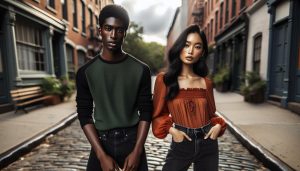
Color is not just a visual element; it’s a powerful tool for self-expression and can significantly influence how we feel and are perceived. In “What Colors Go With: The Ultimate Style Matching Guide,” we’ll explore the art of color coordination, offering practical insights into outfit pairings that flatter and empower your unique style. Whether you’re looking to elevate your everyday wardrobe or prepare for a special occasion, understanding color relationships can transform your fashion choices. From seasonally appropriate hues to accessories that complete your look, this guide will equip you with valuable tips for building a cohesive wardrobe that reflects your true self. Dive in and discover how the right colors can enhance your look and boost your confidence, making every outfit a statement of who you are.
Choosing the Perfect Color Combinations for Outfits
Choosing the right color combinations for outfits can transform your style from ordinary to extraordinary. Color not only impacts the aesthetic appeal of your attire but also influences how others perceive you. With some basic knowledge of color theory and practical considerations, you can create harmonious outfits that reflect your personal style and boost your confidence.
When selecting colors, consider using the color wheel as your guide. Complementary colors, which sit opposite each other on the wheel, can create bold and striking looks. For example, pairing navy blue with rich orange offers a dynamic contrast. Alternatively, analogous colors-those that sit next to each other-like turquoise, blue, and green provide a more serene and cohesive feel. Mixing various shades of a single color can also generate depth; a light pastel combined with a deeper hue creates an eye-catching outfit while maintaining a unified look.
Building Your Palette
Start by establishing a base color-usually a neutral like black, white, or gray-for your outfit. From there, choose one or two accent colors to enhance your look. Seasonality plays a significant role in color selection as well; warm colors are perfect for autumn ensembles, while bright, vibrant hues are ideal for summer. Don’t hesitate to experiment with textures and patterns in your color combinations. A patterned scarf with earthy tones can bridge the gap between a solid outfit and accessories.
Accessorizing with Confidence
Accessories are the finishing touch that can either elevate or clash with your outfit’s color scheme. When choosing accessories, aim for contrast or complementarity based on your foundational color. A vivid statement necklace can add excitement, while neutral footwear keeps the focus on your outfit. Remember, the right shoe pair can enhance the color combination; sleek black pumps or white sneakers can bring everything together seamlessly.
By leveraging engaging color combinations and thoughtful accessorizing, you can express your unique personality through fashion while feeling stylish and self-assured. Don’t be afraid to take risks with colors-these choices reflect your personal style journey and allow you to stand out in any crowd.
Seasonal Color Trends: How to Stay Stylish Year-Round
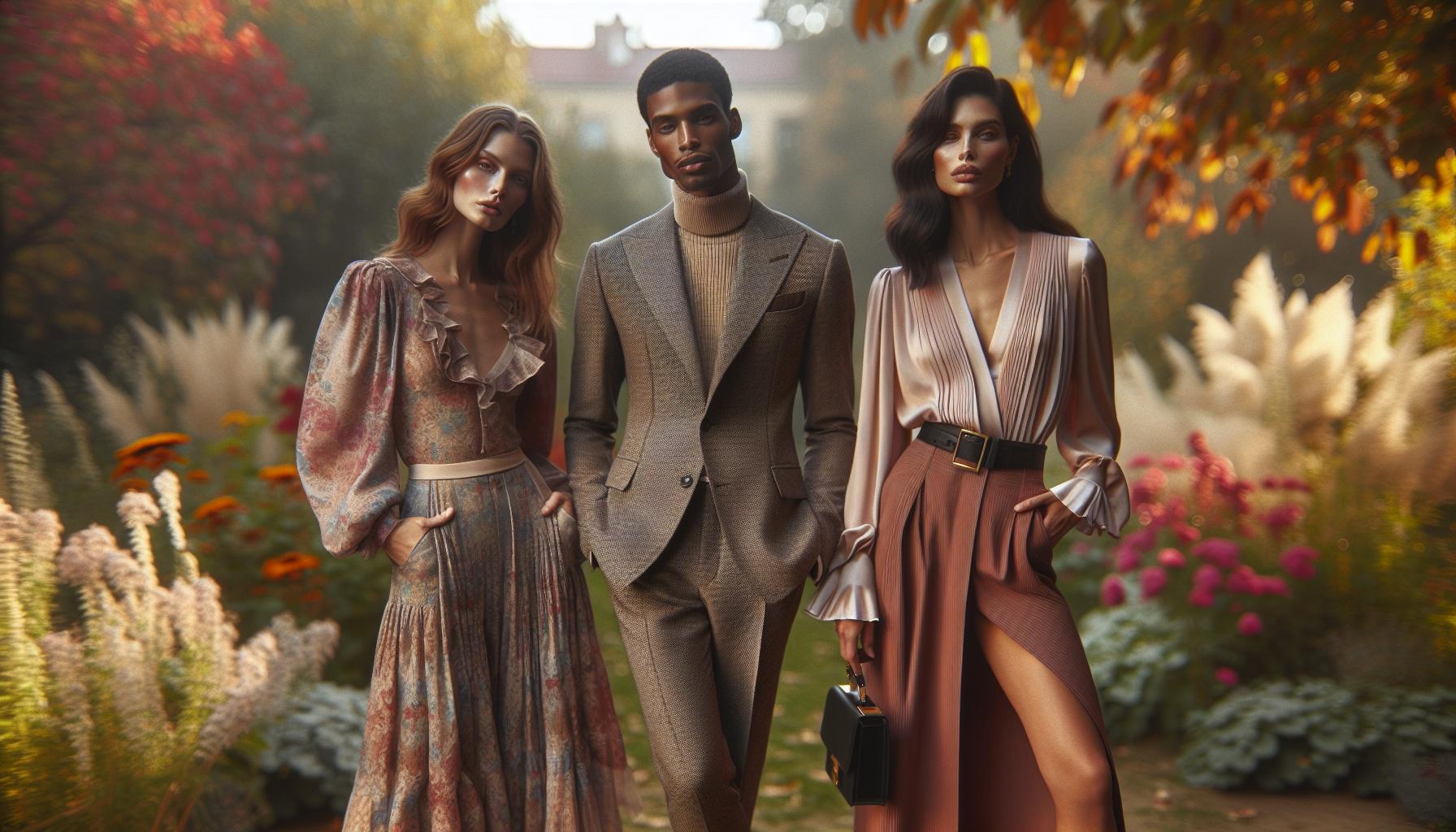
Staying stylish year-round often means adapting your wardrobe to reflect the colors and moods of each season. Embracing seasonal color trends allows you to not only keep your outfits fresh but also to enhance your mood and confidence, aligning your style with nature’s subtle shifts. For instance, winter offers rich jewel tones like emerald green and deep burgundy that resonate with the cozy ambiance of colder months, while spring bursts forth with vibrant pastels that mirror the rebirth of nature.
When curating your wardrobe for each season, consider these key color trends:
- Spring: Soft pastels-think lavender, mint green, and blush pink-are perfect for creating light and airy looks. Pair these hues with crisp whites for a fresh palette.
- Summer: Bright, bold colors such as sunny yellows, ocean blues, and fiery corals not only reflect the vibrancy of summer but can also complement your summer tan beautifully.
- Autumn: Earthy tones like rust, mustard, and olive green dominate this season. They are ideal for layering and can easily be mixed and matched for an effortlessly stylish look.
- Winter: Deep colors like navy blue, charcoal, and rich maroon give off a sophisticated vibe. Incorporating metallic accents can elevate your winter outfits for holiday gatherings.
Experimenting with seasonal colors doesn’t just stop with clothing; it extends to accessories and shoes as well. A pair of statement earrings in a trending color can transform a simple outfit into something striking. Additionally, neutral-toned footwear provides versatility, while also making it easier to integrate bold colors into your wardrobe.
Seasonal color trends should inspire and uplift your personal style. By understanding how to mix and match colors accordingly, you’ll create a cohesive and expressive wardrobe that not only keeps you looking great but also reflects your individuality throughout the year.
The Psychology of Color in Fashion

Color is much more than a visual cue; it holds the power to influence emotions, perceptions, and even social interactions. In the world of fashion, understanding the psychology behind color can transform your wardrobe choices and amplify your personal style. The hues you choose to wear can evoke feelings and convey messages about who you are and how you wish to be perceived by others. For instance, wearing bold reds can convey confidence and passion, while softer shades like lavender can exude calmness and approachability.
To leverage color psychology effectively, it’s essential to consider how various colors can resonate with your personal style and the impression you want to make. Here are some popular color associations to inspire your wardrobe decisions:
- Blue: Often linked with tranquility and professionalism, blue can create a sense of relaxation and reliability. Incorporate navy blazers or denim for a polished yet approachable look.
- Yellow: A bright and cheerful color that symbolizes optimism and energy. Integrating bright yellow accessories, like a bag or shoes, can instantly lift an outfit.
- Green: Associated with nature and growth, green brings a refreshing vibe. Olive green or forest hues add an earthy touch, perfect for autumn styling.
- Purple: Traditionally linked to royalty and luxury, purple can evoke creativity and intrigue. A pop of royal purple in a scarf or blouse can make a distinctive statement.
When planning your outfits, think about the mood of the occasion and how your color choices can reflect it. For a job interview, opting for cooler hues might make you appear more composed, while brighter colors can be playful and fun for social gatherings. Additionally, layering different shades can add depth to your style while enhancing your overall outfit cohesiveness.
Understanding color psychology not only helps you dress to impress but also enables you to express your individuality confidently. The right colors can boost your mood and align with your personal narrative, making every outfit a true extension of who you are. By intentionally selecting colors that resonate with you and the emotions you wish to evoke, you’ll create a dynamic, expressive wardrobe. Remember, fashion is an art form; with every ensemble, you have the opportunity to paint your personal canvas.
Must-Know Color Theory Basics for Outfits

Mastering the fundamentals of color theory is essential for any fashion enthusiast looking to elevate their style. Understanding how colors interact can transform your outfit from mundane to extraordinary, creating a seamless, harmonious look that draws attention for all the right reasons. The beauty of color theory lies not just in knowing which colors complement each other, but in how they can reflect your personal style and the mood you wish to convey.
At the core of color theory are three primary color categories: primary, secondary, and tertiary colors. Primary colors (red, blue, and yellow) can be mixed to create secondary colors (green, orange, and purple). Tertiary colors result from mixing a primary with a secondary color, expanding your palette to include hues like blue-green or red-orange. This understanding allows you to choose outfits that create visual interest and balance. For example, pairing a rich navy (a primary color) with a burnt orange (a secondary color) can yield a striking contrast that is particularly suited for fall fashion.
Moreover, the color wheel offers a valuable guide for creating color schemes. Analogous colors, which sit side by side on the color wheel, such as blue, green, and teal, can be effortlessly paired to create a serene look. In contrast, complementary colors, located opposite each other, like purple and yellow, can generate a bold and dynamic outfit. Consider accenting a neutral base-like a black dress or gray slacks-with a complementarily colored accessory, making a memorable statement.
Utilizing Neutrals and Textures
Don’t underestimate the power of neutral colors, which serve as a versatile backdrop for brighter hues. Colors like black, white, beige, and gray provide a grounding effect and can be enhanced with texture and pattern. Combining a textured blush top with deep teal trousers can create an elegant, understated outfit, while still allowing you to play with color. Incorporating varied textures-like a chunky knit sweater with smooth silk pants-adds depth, making your outfit more visually appealing without overwhelming the viewer with color.
Finally, remember that personal style is about exploration and authenticity. Experimenting with different color combinations can reveal new facets of your fashion sense. Trends may come and go, but the confidence you cultivate through understanding and applying color theory will make any outfit feel timeless. Whether dressing for an interview, a casual brunch, or a night out, using these principles will not just enhance your appearance but also empower you to express your unique individuality through fashion.
Tie It Together: Accessorizing with Color
Accessorizing with color is not just about adding items to your outfit; it’s about enhancing your overall style and making a bold statement. Think of accessories as the punctuation marks in your outfit-they can highlight, expand, or even completely change the narrative of what you’re wearing. By carefully selecting colors for your accessories, you can create a cohesive look that reflects your personality, mood, and the occasion at hand.
When choosing accessories, consider the color palette of your main outfit. A monochromatic ensemble-a look dominated by varying shades of a single color-can benefit greatly from contrasting or complementary accessories to provide visual interest. For instance, a soft gray dress can be elevated by vibrant red pumps and a bold red clutch, creating a stunning focal point that draws the eye. Alternatively, if your outfit features a mix of bright colors, opt for neutral accessories to balance the boldness. This not only anchors your look but also allows the main colors to shine without overwhelming your overall appearance.
Exploring Color Combinations
Utilizing the color wheel can help you identify effective color combinations for your accessories. Here are a few tips:
- Complementary Colors: Use accessories in colors that are opposite on the color wheel. For instance, navy blue paired with a bright orange bag can create a striking look that commands attention.
- Analogous Colors: Choose accessories that are next to each other on the wheel, such as blue and green. This approach creates a harmonious and calming effect, perfect for casual outings.
- Metallics: Don’t shy away from metallic accessories. Gold or silver can offer a classic touch to any color palette, enhancing the overall vibe without clashing with your outfit colors.
Seasonal Considerations
Seasonality can also play a critical role in your accessory color choices. For spring and summer, light and bright colors can breathe life into your outfits. Think pastels or vibrant hues like coral or turquoise paired with white or soft neutrals. In contrast, autumn and winter often call for deeper tones; rich burgundies, forest greens, and navy can provide warmth and sophistication to your look. Remember, accessories aren’t just functional; they can be seasonal symbols of style, helping you transition from one season to the next seamlessly.
The art of accessorizing with color opens up a world of possibilities for personal expression. Embrace the chance to showcase your individuality through thoughtful color choices and don’t be afraid to experiment. Whether it’s a bold statement necklace, a whimsical scarf, or eye-catching shoes, the right color accessories can transform an outfit from ordinary to extraordinary, making every day an opportunity to express who you are.
Shoe Pairing Made Easy: Colors that Complement
Choosing the right shoes for any outfit can dramatically transform your look while expressing your unique style. The color of your footwear plays a crucial role-not just in the overall aesthetic but also in the impression you leave. Understanding which colors complement your outfits ensures that your shoes serve not only as functional items but also as stylish statements that enhance your entire ensemble.
When considering shoe colors, it’s essential to think about the outfit’s base color and overall vibe. For instance, if you’re wearing a classic little black dress, a pair of bright red heels can create a striking contrast that draws attention and exudes confidence. Alternatively, if your outfit features multiple bold colors, opt for neutral shoes like tan or nude to ground the look without competing for attention. This approach helps maintain harmony while allowing the bolder elements of your outfit to shine.
Complementary Color Pairing
Utilizing the color wheel can be an excellent tool for finding complementary shoe colors. Here are a few strategies to consider:
- Seasonal Emphasis: In spring and summer, fresh, light hues like blush or mint green can enhance florals and pastel outfits. In the fall and winter, deep shades like burgundy or navy can beautifully complement the earthy tones of autumn wardrobe staples.
- Contrast Choices: Pairing shoes in contrasting colors can make a bold statement. For example, if you’re sporting a navy outfit, opting for shoes in a vibrant yellow can create an eye-catching palette.
- Monochromatic Looks: For a streamlined look, choose shoes that match the primary color of your outfit but in a different shade. This creates a sophisticated gradient that’s easy on the eyes yet visually intriguing.
Textures and Patterns
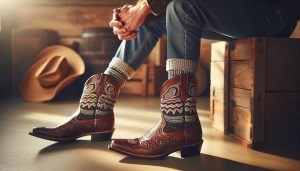
Don’t forget about textures and patterns when selecting shoe colors. Patterns in your clothing-such as stripes or florals-can inform your shoe choice. If your outfit has intricate patterns, solid-colored shoes in a coordinating hue will keep the focus where it belongs, while textured shoes (like suede or patent leather) can add depth without overwhelming your outfit.
By thoughtfully considering the colors of your shoes and their relationship to the rest of your ensemble, you can seamlessly express your personality and style. Whether you’re headed to a casual brunch or a formal evening event, the right shoes will elevate your look and instill confidence as you embrace your fashion choices.
Dressing for Your Skin Tone: Finding Your Best Colors
Understanding how to dress for your skin tone can transform your wardrobe and enhance your overall look. The colors you wear can affect not just your appearance but also your mood and confidence. By aligning your wardrobe choices with your unique skin tone, you can create a cohesive and flattering style that makes you feel your best.
To determine your skin tone, you can categorize it into three main types: warm, cool, and neutral. Those with warm undertones often have a golden or peachy hue to their skin, benefiting from colors like earthy tones, oranges, yellows, and warm greens. People with cool undertones generally have pink, red, or bluish hues, making jewel tones like sapphire, emerald, and icy shades particularly striking. Neutrals can wear a mix of both warm and cool colors, so experimenting with various shades can reveal the best options.
A great way to establish a color palette is to create a personal mood board that showcases shades you are naturally drawn to. You can utilize seasonal trends as a guide; soft pastels might shine in spring, while rich, deep shades complement autumn looks beautifully. Don’t hesitate to incorporate accessories that echo your color choices, as they can elevate even the simplest outfits.
Here are some practical tips to help you dress for your skin tone:
- Identify Your Undertones: Pay attention to the veins on your wrist. If they appear green, you likely have warm undertones. If they look blue or purple, you lean towards cool undertones.
- Experiment with Color: Try on different colors to see what resonates with your skin tone. Colors that suit you will enhance your natural glow, while unflattering shades can give a washed-out look.
- Consider Seasonal Colors: Embrace the seasonal palette that matches your skin tone for wardrobe updates as the trends shift throughout the year.
By keeping these insights in mind, you can confidently curate a wardrobe that celebrates your individuality and reflects your inherent style. Embracing your natural hues fosters authenticity in your fashion choices, helping you shine in any setting.
Wardrobe Essentials: Building a Versatile Color Palette
Building a versatile color palette is an empowering step toward creating a wardrobe that expresses your unique style while ensuring you have options for any occasion. A well-curated palette not only simplifies the outfit selection process but also enhances your ability to mix and match, allowing you to maximize the value of each piece you own. Understanding the fundamentals of color theory, personal preferences, and seasonal inspirations can help you establish a collection of wardrobe essentials that work harmoniously together.
To start, focus on incorporating a blend of neutral and statement colors. Neutrals like black, white, beige, and navy serve as the foundation of your wardrobe, creating a backdrop that allows for easy pairing. These shades are versatile and timeless, making them suitable for both casual and formal settings. Use them as a canvas to introduce brighter colors or softer pastels that reflect your personality and current trends. For example, a classic white shirt can be paired with bold coral trousers for a striking look or layered under an olive green jacket for a more subdued style.
Feel free to explore color combinations that resonate with your lifestyle and the occasions you frequent. When choosing hues, consider complementary colors that enhance each other. This could mean matching a deep burgundy with soft blush for a romantic look or pairing earthy tones like terracotta with muted greens for a grounded, natural vibe. Seasonal transitions can also guide your palette-bright, vibrant colors may dominate in summer, while richer, deeper tones might capture your attention in the fall. This adaptability ensures that your wardrobe remains relevant year-round.
Practical Tips for Building Your Color Palette
- Test Combinations: Before settling on a color palette, experiment by putting together outfits with swatches or a mood board. This visual approach can help clarify what works well together.
- Accessorize Wisely: Use accessories as a way to experiment with colors without overwhelming your core outfits. A vibrant scarf or bold handbag can add a pop of color to a neutral outfit.
- Stay Current: Keep an eye on emerging trends in fashion to inspire your color choices. Seasonal color forecasts can provide fresh ideas on how to refresh your wardrobe while staying stylish.
In building your versatile color palette, remember that personal style is all about self-expression. Don’t be afraid to incorporate colors that resonate deeply with you or hold personal meaning. Whether it’s a bright yellow representing joy or a calming blue that evokes tranquility, these choices can create a wardrobe that not only looks good but also feels authentic. Embrace the process of developing your wardrobe essentials as a journey into your individual tastes and preferences, allowing for continuous growth and style evolution.
Street Style: Trending Color Pairing Inspiration
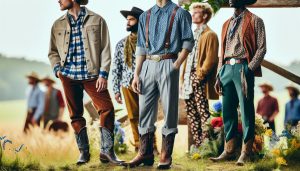
Street style has always been a canvas for creativity and self-expression, where individuals blend trends with personal flair to craft unique looks that turn heads. One of the most captivating elements of street style is how effortlessly people mix and match colors to create visually stunning outfits. Whether on bustling city streets or during music festivals, the magic happens when contrasting shades harmonize to reflect individuality and seasonal vibes.
Consider the bold trend of pairing vibrant colors for an eye-catching impact. For instance, combining rich jewel tones like emerald green with striking fuchsia can create a playful yet sophisticated look. Incorporate these vibrant shades into your wardrobe by starting small. A bold pair of pants in a statement color can be offset with a neutral top, making it approachable while still being on-trend. To elevate your ensemble, opt for accessories in complementary colors; for example, a sunny yellow handbag can add a cheerful pop to a navy outfit, effortlessly brightening your look.
Similarly, tonal dressing is making waves in the street style scene. This involves wearing varying shades of the same color to create a sophisticated monochromatic look. Think layering softer pastels, like lavender and deeper purples or even lighter blues and cobalt. This technique elongates the silhouette and adds depth without overwhelming the eyes. Footwear plays a critical role in completing this look-sleek shoes in similar shades or classic neutrals can tie the outfit together, allowing the color palette to shine without distraction.
In addition to colors, patterns are also a fantastic way to express style. Mixing prints, like florals with stripes or plaids, can be daunting, but when done right, it creates a fresh and dynamic look. Stick to a color scheme when mixing patterns to maintain cohesion. For example, a floral dress featuring shades of blue can be matched with striped shoes or a bag that includes those same hues, providing a playful contrast that feels intentional rather than chaotic.
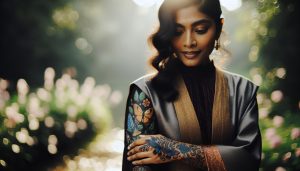
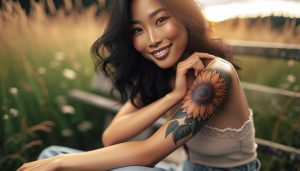
Finally, consider adding a personal touch through statements like tattoo symbolism, which can reflect your color pairing choices. Incorporate colors that resonate with your tattoos or vice versa; florals in your ink can inspire summer dresses, while abstract designs may guide you toward unique patterns and graphic prints in your daily attire. The fusion of fashion and personal symbols creates a powerful statement about who you are, turning your street style into a canvas that narrates your personal story. Embrace these trends as you develop a color pairing strategy that speaks not just to current styles but also to your authentic self, creating looks that stand out in any crowd.
Tattoo Symbolism: Meaning Behind Color and Design
Tattoos often serve as personal expressions of identity, belief, and experiences, making the symbolism behind their colors and designs richly significant. Each hue holds distinct meanings across cultures and can enhance your style by allowing you to create outfits that resonate with your personal story. For instance, a vibrant red tattoo might symbolize passion and strength, offering an excellent opportunity to incorporate red accessories or clothing pieces into your outfit, such as a striking red scarf paired with a neutral ensemble to draw attention where you want it.
When embracing tattoo symbolism in your wardrobe, consider the themes represented in your body art. Floral designs, often associated with femininity and beauty, might inspire pastel and nature-inspired color palettes. A tattoo featuring cherry blossoms could lead you to style outfits with soft pinks and whites, ideal for a spring wardrobe. Alternatively, bold animal tattoos can introduce earth tones or vibrant animal prints into your looks, providing a powerful statement that not only reflects your tattoos but also aligns with your fashion choices.
Incorporating Symbolic Colors into Your Outfits
To effectively integrate tattoo symbolism into your fashion, identify the primary colors present in your body art, and think about how these can guide your outfit choices. Here are a few practical tips:
- Match Tones: If your tattoo features bright colors, consider bright clothing or accessories that mirror these hues for a cohesive look.
- Accent with Accessories: Use smaller accents to tie your outfit to your ink. For instance, if you have a blue watercolor tattoo, try wearing blue earrings or a handbag.
- Create Contrast: Use contrasting colors to make your tattoos pop. A neutral outfit can be beautifully complemented by colorful tattoos when paired with accessories in similar shades.
- Seasonal Synergy: Allow the changing seasons to inspire your color palette-using warm tones in autumn to reflect your tattoo aesthetics can enhance your overall style.
Mixing and personalizing these hues with your wardrobe not only expresses your style but can also serve as a conversation starter, drawing people’s attention to your unique tattoos as part of your fashion statement. Cultivating a style that reflects your personal narrative through color and design ultimately adds another layer of meaning to how you present yourself to the world.
Elevating Your Look: Mixing Patterns and Colors
Mixing patterns and colors can feel daunting, but it unlocks an exciting avenue for self-expression and style evolution. When you successfully blend different patterns and hues, it adds depth and personality to your outfits, creating a signature look that commands attention. The key to mastering this art lies in understanding the relationship between colors and patterns, which can transform an ordinary outfit into a striking ensemble.
To begin, start with a solid foundation. Choose a base item that serves as a canvas for your outfit-think of classic pieces in neutral shades or subtle patterns. From here, layering in bolder patterns or colors becomes much easier. For example, a simple black dress can be paired with a floral jacket and striped accessories. The interplay of patterns not only keeps the outfit visually engaging but also allows you to showcase your unique style.
Color Coordination Techniques
When mixing colors, adhere to a few essential guidelines to ensure harmony in your look:
- Color Wheel Guidance: Utilize the color wheel to identify complementary or analogous color pairings. For instance, pairing blue and orange (complementary) or green and yellow (analogous) can create visually appealing combinations.
- Pattern Proportions: Balance the scale of your patterns. If one piece is bold and large, complement it with something smaller and subtler to avoid overwhelming the ensemble.
- Layering Textures: Incorporating varied textures – like denim, lace, or velvet – can elevate your outfit while mixing colors and patterns. Textiles contribute to a cohesive look even if colliding prints are involved.
Accessorizating with Confidence
When it comes to accessorizing, take inspiration from your outfit’s color palette. A simple yet effective way to tie your look together is to choose accessories that incorporate one of the colors or patterns from your clothing. For instance, if you’re wearing a patterned dress that includes red, opt for red shoes or a handbag to create continuity. Alternatively, use accessories to introduce a new color that complements your outfit, such as gold jewelry with a navy and white ensemble.
Daring to mix patterns and colors is a bold declaration of your personal style. Each outfit becomes a canvas for your creativity. Embrace the process, experiment fearlessly, and allow your clothing – and tattoos, if you choose to incorporate them – to reflect your individuality. The results will not only amplify your look but also empower you to express your authentic self.
Mastering Color Combinations for Every Occasion
Navigating color combinations can feel like a complex puzzle, but mastering this art is essential for crafting outfits that not only look great but also resonate with your personal style. Whether you’re dressing for a casual brunch, a formal event, or anything in between, being savvy about your color choices can elevate your entire look. To make the process easier, consider the mood or message you want to convey, as colors can profoundly influence perception and emotional response.
Start by embracing the concept of seasonal color palettes. Each season brings with it a unique set of colors that can inspire your wardrobe choices. In spring, soft pastels and vibrant hues (think blush pinks or sunny yellows) create a fresh, light-hearted vibe. Summer often calls for bright, bold colors like tropical blues and vivid corals; perfect for outdoor gatherings. Fall allows for rich, warm tones-burnt oranges, deep burgundies, and forest greens-while winter invites earth tones paired with dark, moody colors for a chic look. By aligning your outfits with seasonal trends, you maintain relevance and freshness throughout the year.
Creating Versatile Combinations
One of the most effective techniques for mastering color combinations is utilizing the color wheel to find complementary and analogous colors that harmonize beautifully. Complementary colors, which are opposite each other on the color wheel, such as blue and orange or yellow and purple, create a striking contrast. This can be especially effective for statement pieces-imagine a vibrant yellow dress with a deep purple handbag. On the other hand, analogous colors, which sit next to each other (like blue, teal, and green), tend to evoke a more cohesive and soothing effect, ideal for more understated attire.
To further enhance your look, consider incorporating accessories that pick up on the colors in your outfit. A neutral outfit can suddenly pop with a bold pair of shoes or a statement necklace that incorporates a striking hue. Additionally, don’t shy away from mixing patterns within the same color family, as this adds depth and visual interest without overwhelming the eye. For example, match a striped shirt with a floral skirt in shades of blue for a playful yet coordinated appearance.
Finally, remember that your outfit can be an extension of your creativity, especially when combined with tattoo symbolism. Consider colors that resonate with you personally or reflect the meaning behind your body art-floral designs may pair beautifully with softer pastel outfits, while tribal tattoos might look striking against bolder, angular patterns. By thoughtfully curating your wardrobe and considering how colors interact, you’ll not only look stylish but also feel aligned with your identity and expression in every occasion. Embrace experimentation, and let your personal style shine through in vibrant color combinations.
Q&A
Q: What are the best color combinations for a casual look?
A: The best color combinations for a casual look include soft pastels like lavender with light gray, or classic neutrals like navy with white. For a bolder outfit, pairing bright colors such as yellow with denim can also create a striking effect. Experiment with mixing textures to elevate your look.
Q: How can I match colors for a workplace outfit?
A: To match colors for a workplace outfit, consider classic combinations like navy and white or gray and pastel shades. Incorporating subtle patterns, like stripes or checks, can also add interest without being overwhelming. Always opt for colors that reflect professionalism while remaining true to your personal style.
Q: What colors should I avoid pairing together?
A: Avoid pairing colors that clash, like red and green, or overly bright shades without contrast. Steer clear of combinations that might create visual confusion, such as two similarly bright colors. Instead, balance bold colors with muted tones for a harmonious look.
Q: How do seasonal colors influence outfit choices?
A: Seasonal colors influence outfit choices by aligning your palette with the season’s mood. Spring calls for soft, fresh hues, while autumn encourages warmer, earthy tones. Incorporating seasonal colors enhances your look and connects your outfits to the environment, making them feel timely and relevant.
Q: Can accessories really change the color dynamics of an outfit?
A: Yes, accessories can significantly change the color dynamics of an outfit. A colorful scarf or statement jewelry can introduce new hues and elevate the overall look. Choosing accessories that complement your primary colors can create a cohesive or striking contrast, enhancing your style.
Q: What are some tips for matching colors when layering?
A: When layering colors, choose a base color for your inner layers and gradually add contrast with outer layers. Use varying shades of the same color for a chic monochrome look or incorporate complementary colors like blue with orange to create balance. Keep accessories in neutral tones to avoid overwhelming the outfit.
Q: How can I find my personal color palette?
A: To find your personal color palette, consider your skin tone and hair color. Cool tones suit people with pink or rosy undertones, while warm tones fit those with golden or olive undertones. Experiment with various colors to see which ones make you feel best, creating a palette that reflects your personality.
Q: Why is color theory important for fashion?
A: Color theory is important for fashion as it helps in understanding how colors interact. This knowledge assists in creating harmonious outfits and effective branding in personal style. Utilizing basic color principles, such as complementary or analogous colors, can elevate your fashion sense and confidence in styling.
Closing Remarks
As you explore the vibrant world of fashion, remember that the right color combinations can elevate your style and boost your confidence. Experiment with seasonal outfit pairings, integrate accessories that complement your look, and consider how tattoo symbolism can further express your unique personality. To dive deeper, check out our articles on “Mastering Accessory Pairing” and “Seasonal Styling Trends” for fresh ideas that align with your newfound knowledge.
Don’t let your style journey end here! Sign up for our newsletter to receive exclusive tips and stay ahead of the trends. Share your favorite color combinations or outfit inspirations in the comments below; your insights could inspire others in our community. Remember, style is a personal statement-embrace it boldly and authentically!